Hedge Trimming and Cutting in Hull
Rated 5.0 on Google from 23 reviews. Read our Google reviews
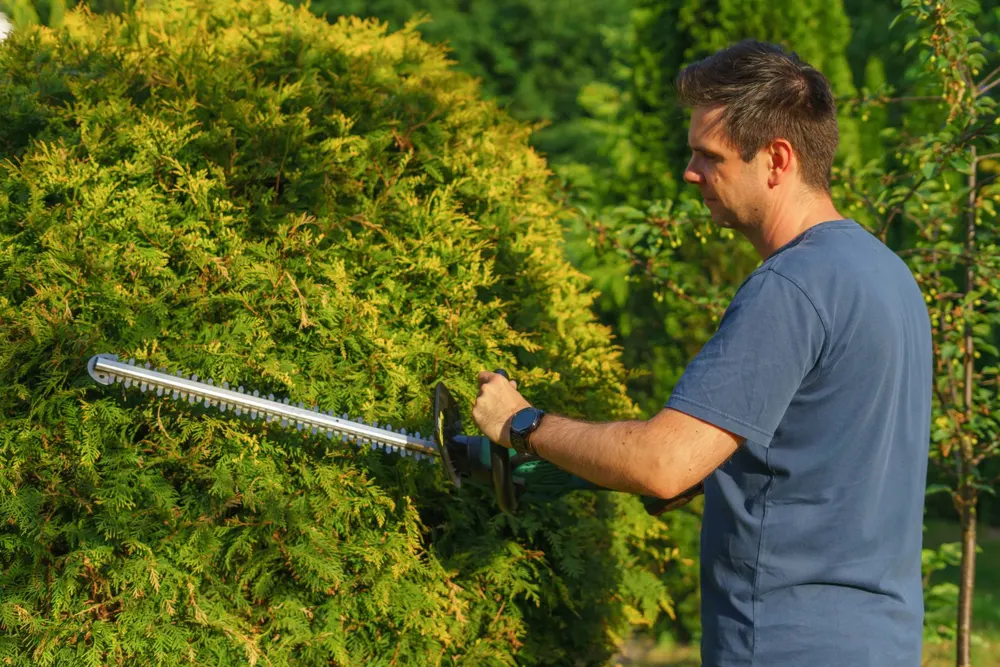
Hull Tree Care trims and cuts hedges across Hull and East Yorkshire. As tree surgeons, we're used to tall, heavy hedges as well as small garden ones. We leave them sharp and level, cut to the height and shape you want, and we take on big, overgrown hedges as well as regular trims. Quotes are free.
Hedges cut to height and shape
A regular trim keeps a hedge dense, neat and at a height that suits you. We cut the top level and the sides straight, to the height and shape you ask for.
Where it suits the hedge, we keep it slightly narrower at the top than at the base. That lets light reach the lower branches, so the hedge stays thick right down to the ground instead of going bare at the bottom.
We trim hedges of all sizes, from a short front-garden hedge to a long boundary, and can add a wider garden tidy-up on the same visit.
Overgrown hedges brought back
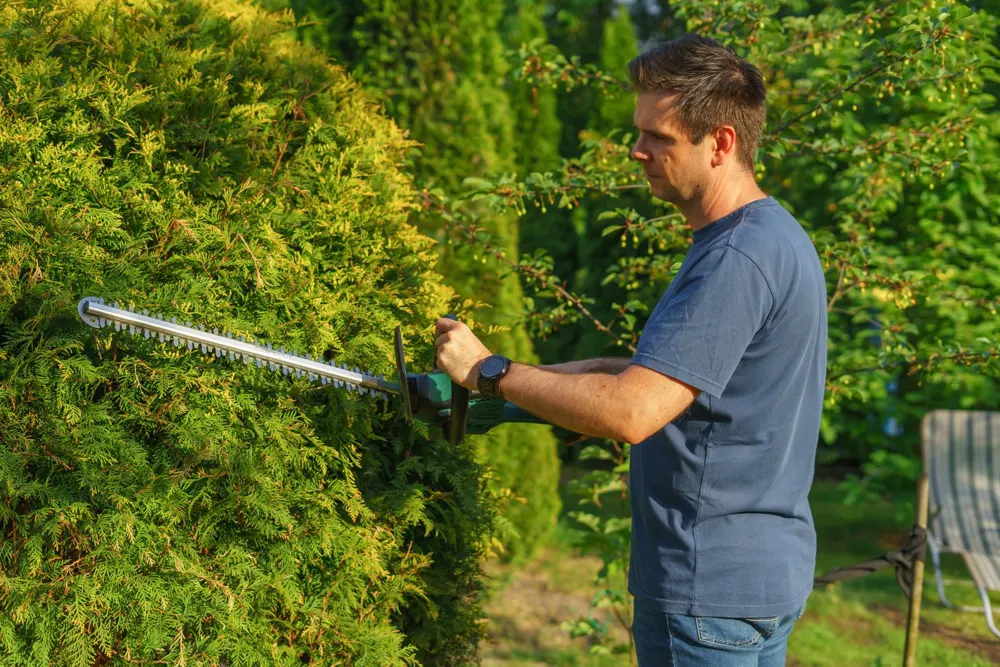
Yes, we can bring an overgrown hedge back under control. If a hedge has been left for a few years and is now too tall, too wide or shading the garden, we can reduce its height and width.
Some hedges take a hard cut back well. Others, including most conifers such as leylandii, won't regrow from old bare wood, so cutting too far leaves brown patches that stay brown. We'll tell you how far back your hedge can safely go before we start. A very overgrown hedge is sometimes better reduced over more than one visit.
Tall hedges are often closer to tree work than garden work. We also cut back trees growing through the hedge.
Trimming or reducing?
Trimming keeps a hedge at the size it already is. Reducing makes it smaller. A trim takes off the soft new growth from this year, to keep the hedge level and in shape. A reduction cuts back into older wood to bring down the height or width.
Most hedges only need a trim once they're at the size you want. Reductions are for hedges that have been left to grow. Because not every hedge regrows from old wood, we'll tell you which one your hedge needs, and how far it can go, before we start.
Nesting birds
We check hedges for nesting birds before we start cutting. Hedges are one of the places birds most like to nest, and active nests are protected by law.
If we find a nest in use, we leave that part of the hedge alone and agree with you when to come back and finish it.
Our work
We're rated 5.0 on Google, and our reviews mention our hedge work. Read our hedge reviews on Google
Questions
Anything else, just ask when you call.
Can you cut back a very overgrown hedge?
Yes. Hull Tree Care reduces overgrown hedges in height and width. We'll tell you how far back it can go, as some hedges, such as conifers, won't regrow from bare wood.
How often should a hedge be trimmed?
Most garden hedges need trimming once or twice a year to stay neat. Fast growers like leylandii may need it more often.
When is the best time to cut a hedge?
Late summer and autumn are popular times for a main trim, once most birds have finished nesting. Fast-growing hedges often need a second, lighter trim earlier in the year. Whatever the date, we check for active nests before cutting.
Do you check for nesting birds?
Yes. We check every hedge for nests before cutting. If there's an active nest, we leave that section and come back later.
Can you do the rest of the garden at the same time?
Yes. We also do garden maintenance and tidy-ups, so ask for both in one quote.
Is the quote free?
Yes. Every hedge trimming quote from Hull Tree Care is free, with no obligation to go ahead.
Get a free quote
Tell us roughly how long and how tall the hedge is, and where you are, or use the form for a free hedge trimming quote. A photo by WhatsApp helps. We cover Hull and the towns within 35 miles, 8am to 6pm, seven days a week.
Get your free hedge trimming quote
Rated 5.0 on Google. Read our Google reviews